No legal definition of where sovereign airspace ends above commercial jets
Based on · First reported
Sources
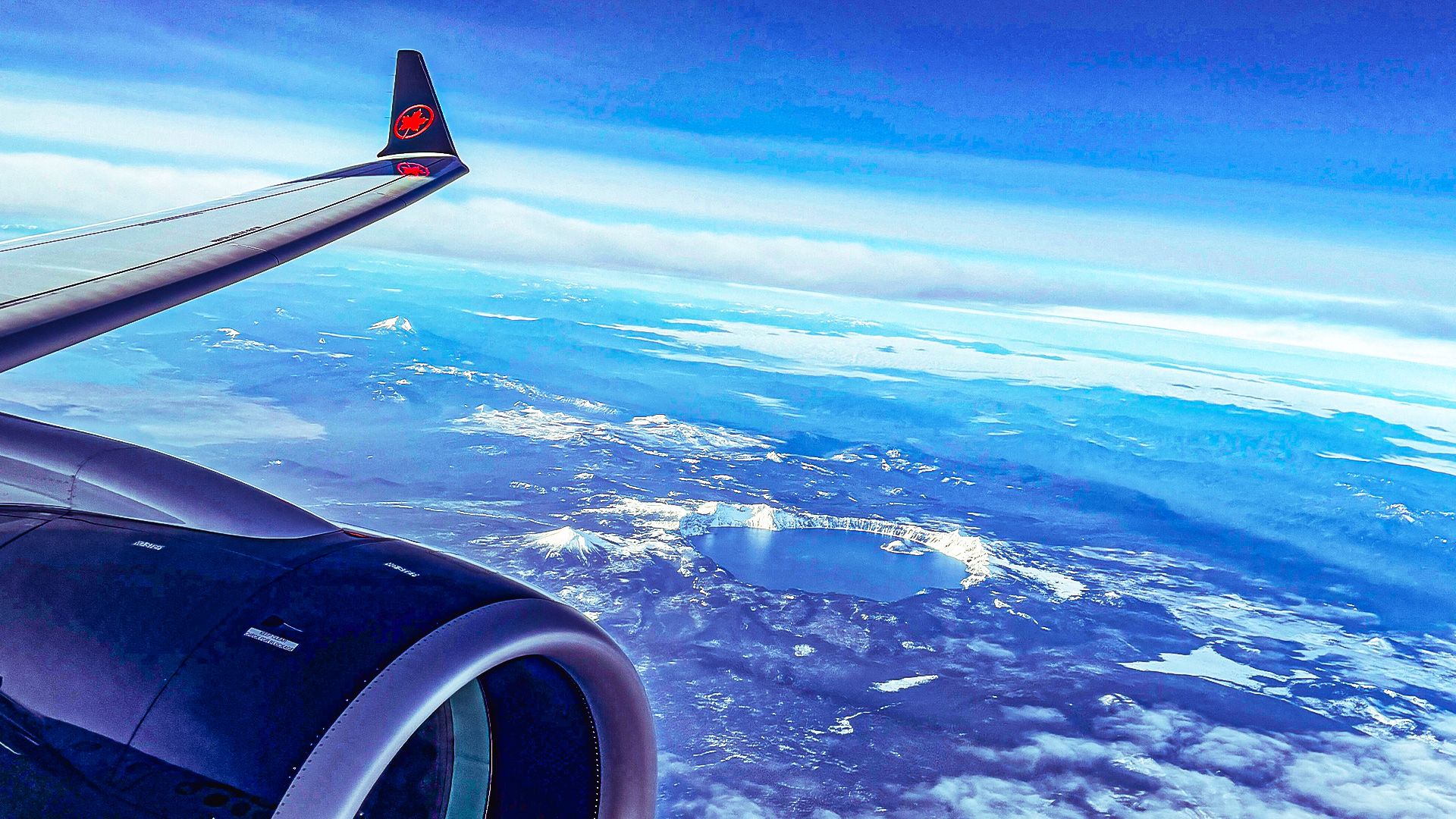
- The 1944 Chicago Convention set the rules for global civil aviation but did not specify the altitude at which sovereign airspace ends, leaving a legal gap for aircraft cruising at high altitudes. No internationally accepted altitude defines the boundary between sovereign airspace and outer space, and the Kármán Line at 100 kilometres is only a practical reference without binding legal status. The United States, however, treats space as beginning at 50 miles (about 80 kilometres) above the Earth's surface.
- The 1967 Outer Space Treaty declares outer space free for exploration by all states but also does not define where outer space begins, reinforcing the lack of a clear legal demarcation for high‑altitude commercial flights.
How we use AI · Report an error
Related stories
- Flydubai flight from Dubai to Tel Aviv diverted to Tabuk after cockpit stabbing
- Three Indonesian airports ready for 2026 MotoGP Mandalika event
- Amazon cargo jet overruns Miami runway, five killed
- GA-ASI and SoftBank complete successful MQ-9B disaster‑relief communications test
- UK to ban extra seat fees for families with children under 14