No legal definition of where sovereign airspace ends above commercial jets
Based on · First reported
Sources
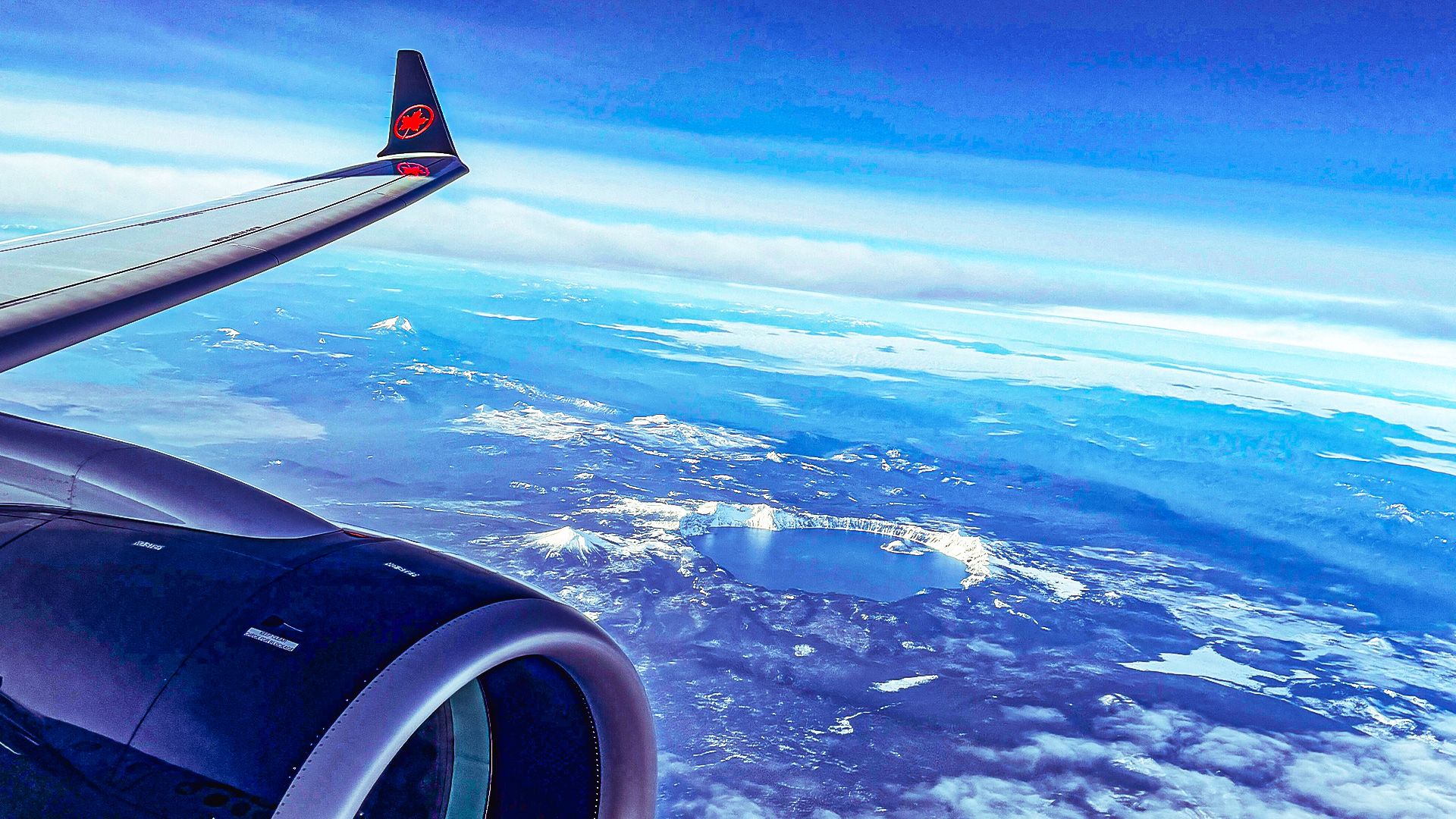
- The 1944 Chicago Convention set the rules for global civil aviation but did not specify the altitude at which sovereign airspace ends, leaving a legal gap for aircraft cruising at high altitudes. No internationally accepted altitude defines the boundary between sovereign airspace and outer space, and the Kármán Line at 100 kilometres is only a practical reference without binding legal status. The United States, however, treats space as beginning at 50 miles (about 80 kilometres) above the Earth's surface.
- The 1967 Outer Space Treaty declares outer space free for exploration by all states but also does not define where outer space begins, reinforcing the lack of a clear legal demarcation for high‑altitude commercial flights.
How we use AI · Report an error
Related stories
- Flydubai flight from Dubai to Tel Aviv diverts to Saudi Arabia after cockpit incident
- Amazon cargo jet overruns Miami runway, NTSB launches investigation
- Recaro expands seat factory in Poland as Boeing and Airbus face program delays
- FlyDubai flight diverted to Saudi Arabia after cockpit stabbing
- Airbus orders extra inspections for A330neo stabilizers on 2021‑2026 builds